Understanding Autonomous Driving Technology
As the world moves towards greater innovation in transportation, the concept of autonomous driving is rapidly gaining traction. Autonomous vehicles promise to revolutionize how we perceive travel, transportation, and even urban infrastructure. By integrating artificial intelligence, machine learning, and cutting-edge sensors, these vehicles aim to provide a safer, more efficient, and environmentally friendly alternative to traditional driving. When exploring options, autonomous driving offers comprehensive insights into the emerging technologies reshaping the automotive landscape.
What is Autonomous Driving?
Autonomous driving, often referred to as self-driving, encompasses a variety of technologies that allow vehicles to operate without human intervention. Automated vehicles utilize a combination of sensors, cameras, and complex algorithms to navigate their environment. These systems interpret data from their surroundings, making real-time decisions about speed, direction, and maneuvers to ensure safe transit. The Society of Automotive Engineers (SAE) has classified the levels of automation from Level 0 (no automation) to Level 5 (full automation), showcasing the gradual progression toward fully autonomous vehicles capable of handling all aspects of driving.
Key Components of Self-Driving Cars
Self-driving cars rely on several critical components to function effectively:
- Sensors: Equipped with LiDAR, radar, and ultrasonic sensors, these vehicles detect obstacles, road conditions, and traffic signals.
- Artificial Intelligence: Algorithms powered by AI facilitate decision-making processes based on sensor data.
- GPS and Mapping: High-definition maps and GPS technologies guide vehicles along their routes with precise navigation.
- Connectivity: Vehicle-to-vehicle (V2V) and vehicle-to-infrastructure (V2I) communication helps autonomous vehicles share information about road conditions and hazards.
How Autonomous Cars Work
At the core of autonomous driving technology is the vehicle's ability to perceive its environment. This begins with data collection through various sensors, which feed data to the onboard computer for analysis. The AI then makes decisions based on algorithms designed to replicate human driving behavior, taking factors such as the speed of surrounding vehicles and traffic patterns into account. Autonomous vehicles integrate machine learning techniques to improve performance over time, enhancing their decision-making capabilities.
Current Trends in Autonomous Driving
The landscape of autonomous driving is continually evolving as new innovations emerge. Currently, several trends are shaping the future of this technology:
Innovations Driving the Future
Several technological advancements are afoot in the realm of autonomous driving:
- Artificial Intelligence: As AI technology improves, so does the ability of vehicles to understand and respond to complex driving scenarios.
- Better Sensors: Developments in sensor technology are leading to more accurate environmental perception, allowing vehicles to operate safely in diverse conditions.
- Regulatory Support: Governments worldwide are beginning to introduce regulations that facilitate the testing and deployment of autonomous vehicles.
Real-World Applications of Autonomous Vehicles
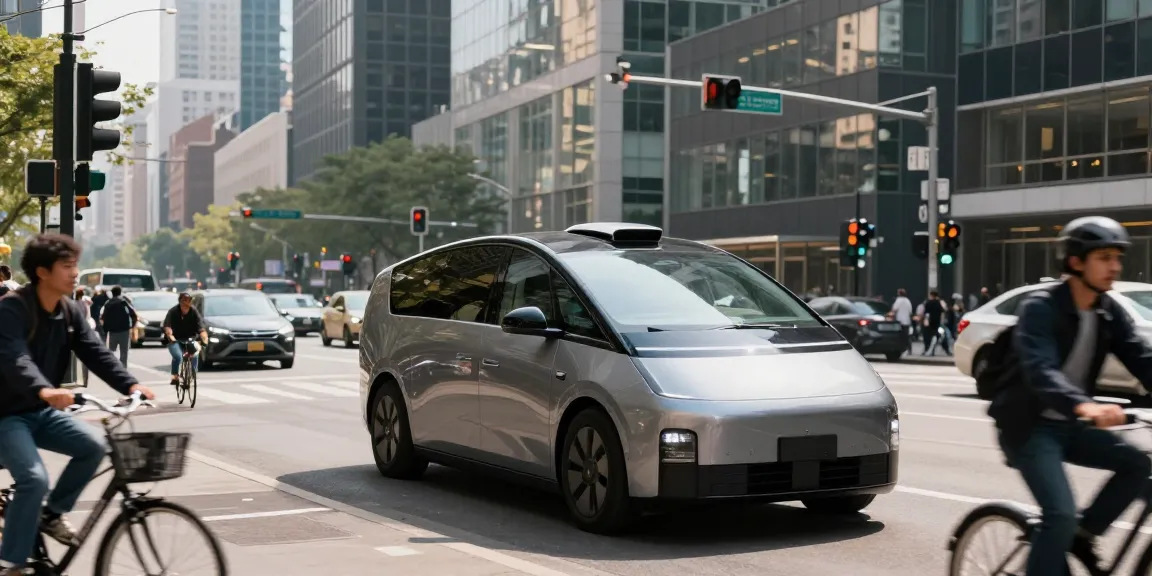
From ridesharing services to logistics and delivery applications, autonomous vehicles are finding real-world use cases. Companies like Waymo and Tesla have been pioneering autonomous taxi services, while large logistics companies are exploring self-driving trucks to streamline freight transport.
Public Perception and Acceptance
Public perception of autonomous driving technology varies widely. While many people express enthusiasm for the convenience and safety benefits, concerns about safety, job displacement, and data privacy remain prevalent. Surveys indicate that education and exposure to autonomous vehicles play pivotal roles in shaping acceptance levels among various demographics.
Challenges Facing Autonomous Vehicle Integration
Despite significant advancements in technology, several challenges persist in the integration of autonomous vehicles:
Regulatory Hurdles and Compliance
Regulatory frameworks often lag behind technological advancements, leading to uncertainties for manufacturers and consumers alike. Policymakers need to establish comprehensive guidelines for testing, deployment, and liability in case of accidents involving autonomous vehicles.
Safety Concerns and Ethical Considerations
Safety is one of the primary concerns regarding autonomous vehicles. Stakeholders are tasked with addressing ethical dilemmas regarding decision-making in unavoidable accident scenarios. Establishing safety standards that align with public expectations is crucial for gaining consumer trust.
Technological Limitations of Current Systems
Despite advances, current autonomous driving systems face limitations in complex urban environments and adverse weather conditions. Ongoing research aims to improve the reliability and robustness of these systems under varied circumstances.
The Future of Autonomous Driving: What to Expect by 2026
As we look to the future, several anticipated developments are expected to impact the autonomous driving landscape:
Predicted Developments in Technology
By 2026, it is predicted that advancements in AI will enhance the cognitive abilities of autonomous vehicles, allowing them to make more nuanced decisions in real-time. Additionally, improvements in connectivity will facilitate better communication among vehicles and infrastructure, creating safer and more efficient roadways.
Impact on Urban Planning and Infrastructure
The integration of autonomous vehicles is likely to reshape urban planning strategies. Cities may need to redesign roadways, parking structures, and public transportation systems to accommodate self-driving cars, reducing congestion and enhancing mobility.
Potential Economic and Environmental Benefits
Autonomous driving is expected to yield significant economic benefits by reducing transportation costs and improving logistics efficiency. Moreover, the widespread adoption of electric autonomous vehicles could lead to a decrease in carbon emissions and foster a more sustainable future.
Getting Involved in the Autonomous Driving Revolution
As autonomous driving technology continues to evolve, individuals can take part in this transformative movement:
How to Stay Informed on Industry Changes
Staying updated on the latest news and advancements in autonomous driving is essential. Joining industry newsletters, attending conferences, and participating in online forums can provide valuable insights and networking opportunities.
Careers in Autonomous Vehicle Technology
The burgeoning field of autonomous vehicles offers a wealth of career paths, ranging from engineering and software development to regulatory compliance and public policy. Aspiring professionals should seek education and training in relevant fields to position themselves effectively.
Community and Educational Initiatives
Increasing public understanding of autonomous driving technology will be essential for easing public concerns. Community initiatives aimed at education can help demystify self-driving technology and encourage acceptance.
Are Autonomous Vehicles Safe for Everyone?
Safety is paramount in the deployment of autonomous vehicles. Ongoing research and development efforts will be crucial in addressing vulnerabilities and ensuring that these vehicles are safe for a diverse range of users.
How Will Autonomous Driving Affect Public Transportation?
The rise of autonomous vehicles could significantly impact public transportation systems. By integrating self-driving technology into buses and shuttles, cities may enhance the efficiency and effectiveness of their transportation networks.
What Are the Key Players in Autonomous Vehicle Development?
Prominent players in the autonomous vehicle industry include automotive manufacturers like Tesla, Waymo, and General Motors, as well as tech companies such as Google and Apple. These organizations are at the forefront of developing and implementing groundbreaking technologies that will shape the future of transportation.