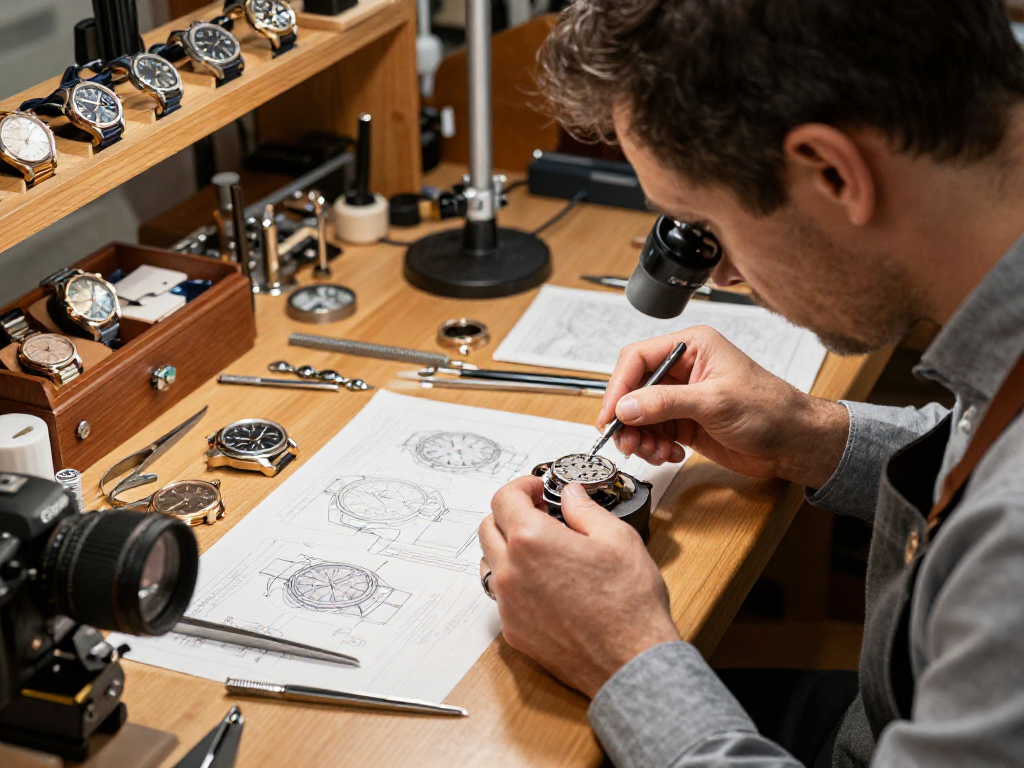
Understanding Omega 8500 Movement Basics
The Omega 8500 movement is a prestigious automatic watch movement that has redefined luxury horology since its introduction. Known for its robust construction and innovative technology, this movement has become a cornerstone in Omega's watch lineup. Understanding the intricacies of the Omega 8500 movement parts is essential for both collectors and watch repair enthusiasts alike. This article delves into the various components, benefits, and repair processes associated with this remarkable movement.
What Sets Omega 8500 Movement Apart?
One of the distinguishing features of the Omega 8500 movement is its co-axial escapement. This revolutionary design minimizes friction, leading to enhanced accuracy and longevity. Unlike traditional escapements, the co-axial mechanism reduces the need for lubrication and lessens the wear on the movement components, a significant advantage for watch longevity. Additionally, the Omega 8500 movement is equipped with a silicon balance spring, which is resistant to magnetic fields—another feature that amplifies its reliability in modern environments.
Key Components of Omega 8500 Movement Parts
The complexity of the Omega 8500 movement can be attributed to its unique parts. Key components include:
- Main Plate: The foundation of the movement that houses and supports other components.
- Rotor: A semi-circular weight that winds the watch as the wearer moves.
- Balance Wheel: A critical component for timekeeping accuracy that oscillates back and forth.
- Co-Axial Escapement: A specialized gear system that improves timekeeping performance.
- Silicon Balance Spring: A component that reduces sensitivity to magnetic fields, enhancing precision.
When exploring options, Omega 8500 movement parts provide comprehensive insights that can assist in understanding these parts and their functionalities deeply.
Benefits of Maintaining Omega 8500 Movements
Regular maintenance of the Omega 8500 movement offers several benefits. Firstly, it ensures sustained accuracy; routine cleaning and lubrication of movement parts can help maintain optimal function. Secondly, servicing your watch can prevent costly repairs down the line by addressing potential issues before they escalate. Furthermore, proper maintenance contributes to the watch's aesthetic appeal, keeping it looking pristine and operating smoothly.
Essential Tools for Omega 8500 Repair
Engaging with watch repair, especially for Omega's sophisticated movements, necessitates the use of high-quality tools. Investing in a comprehensive toolkit will enhance your efficiency and precision during repairs.
Must-Have Tools for Precision Repairs
Some essential tools for working with the Omega 8500 movement include:
- Watchmaker's Screwdrivers: A range of screwdrivers with precision tips to fit various screws in the movement.
- Movement Holder: A device that securely holds the movement while you work on it.
- Loupe: A magnifying glass that helps inspect tiny components.
- Oilers: Essential for applying the right amount of lubricant to friction points.
- Tweezers: Non-magnetic tweezers are crucial for handling delicate components.
How to Choose Quality Watch Repair Tools
When selecting tools for Omega 8500 repairs, consider quality over price. Look for reputable brands known in the watchmaking community, and invest in tools that are corrosion-resistant and ergonomically designed for comfort. Reading reviews and consulting with experienced watchmakers can provide insight into the best tools for your specific needs.
Maintaining Your Watch Repair Toolkit
Regularly inspecting and maintaining your watch repair tools is vital for ensuring their longevity and effectiveness. Clean tools after each use, store them properly to prevent damage, and periodically check for wear or damage. A well-maintained toolkit is crucial for delivering high-quality repairs and achieving professional results.
Step-by-Step Guide to Repairing Omega 8500 Movements
Repairing the Omega 8500 movement involves several detailed steps. Familiarity with the movement's anatomy is essential for successful service and maintenance.
Preparation: Assessing Movement Condition
Before commencing any repair, thoroughly assess the movement's condition. Look for signs of wear, identify any abnormal behavior, and document your findings. This initial assessment will guide you on the scope of the repairs necessary, avoiding unexpected challenges later in the process.
Detailed Repair Process for Common Issues
Common issues in the Omega 8500 movement can include lubrication issues, magnetization, and wear on the co-axial escapement. Here’s a succinct process to tackle these problems:
- Lubrication: If the movement is running irregularly, clean it and re-lubricate the key friction points.
- Demagnetization: If the watch is running fast or slow, use a demagnetizer to eliminate any magnetic interference.
- Replacing Worn Parts: If the escapement is worn out, sourcing high-quality replacement parts is crucial. Ensure they are genuine Omega parts to maintain movement integrity.
Testing and Final Adjustments for Quality Control
Once repairs are completed, conduct a series of tests to ensure the movement is functioning correctly. Use timing machines to assess accuracy and make any necessary adjustments to the regulator to perfect the timing. A final visual inspection is also important to verify that everything is in order before closing the case.
Challenges in Repairing Omega 8500 Movements
Repairing the Omega 8500 movement comes with its challenges, particularly for those less experienced in dealing with complex watch mechanisms.
Common Issues Faced by Watch Technicians
Watch technicians often encounter problems such as misalignment during reassembly, incorrect lubrication application, and sourcing genuine replacement parts. These issues can affect the overall performance and reliability of the watch if not handled properly.
Effective Troubleshooting Techniques
To address these challenges effectively, develop a systematic approach to troubleshooting. This includes:
- Documenting all steps taken during the repair process.
- Testing components individually before reassembly.
- Consulting technical manuals or forums for common pitfalls related to the Omega 8500 movement.
Case Studies: Lessons Learned from Repairs
Numerous case studies highlight the importance of meticulousness in Omega 8500 repairs. For instance, a common case involved a technician who failed to properly clean the movement, leading to persistent issues. Through these experiences, watchmakers learn valuable lessons that emphasize the importance of precision and attention to detail.
Future Trends in Watch Repair and Maintenance
The watch repair industry is evolving rapidly, influenced by advancements in technology and changing consumer expectations. Staying informed is vital for watch technicians aiming to remain competitive.
Technological Advancements Impacting Watch Repair
Prominent trends include the incorporation of digital tools for diagnostics and repairs. Technologies such as 3D printing are enabling the production of bespoke components, which can significantly reduce downtime for repairs involving obsolete parts.
Predicted Developments for Omega Movements in 2026
By 2026, we can anticipate further innovations in the Omega 8500 movement, such as enhanced battery life for quartz variants and even more robust anti-magnetic features. Omega is likely to continue pushing the envelope on precision engineering, making their movements even more appealing to collectors and watch enthusiasts.
Preparing for Evolving Customer Expectations
As consumers become more knowledgeable about watch technology, their expectations for service and repair will also rise. Offering transparency in the repair process and demonstrating expertise through certifications will become critical factors in client retention and satisfaction.
Frequently Asked Questions (FAQs)
What are the key maintenance practices for Omega 8500 movements?
Key practices include regular servicing every 5-8 years, cleaning and lubrication, and ensuring the watch is kept away from strong magnetic fields.
How often should Omega 8500 movements be serviced?
It is advisable to service Omega 8500 movements every 5-8 years, depending on usage and environmental conditions.
What are the most common repairs needed for Omega 8500 movements?
Common repairs include re-lubrication, demagnetization, and replacement of worn-out escapement parts.
Can anyone repair an Omega 8500 movement, or is training required?
While basic repairs may be attempted by enthusiasts, thorough training and experience are required for optimal repair practices to ensure no damage occurs.
What resources are available for learning Omega 8500 movement repair?
Resources include watchmaking schools, online courses, and forums where professionals share insights and techniques.